Is it Safe to Drink Tap Water in Nepal? (Essential Travel Tips)
Is it Safe to Drink Tap Water in Nepal? (Essential Travel Tips)
One of the most frequent and important questions travelers ask before their arrival is, is it safe to drink tap water in Nepal? The short and definitive answer is no. Whether you are staying in a rural mountain village or a modern neighborhood in Lalitpur, foreigners should never consume water straight from the tap. The local municipal water infrastructure simply does not filter out the heavy minerals, bacteria, and waterborne pathogens that can cause severe stomach upset.
However, managing your drinking water in the Kathmandu Valley is incredibly easy once you understand a few basic rules. With a little bit of preparation and common sense, you can stay perfectly hydrated and healthy during your entire stay. Here is everything you need to know about water and food safety while traveling.
1. How to Source Safe Drinking Water
Because tap water is off-limits for drinking, you will need to rely on purified alternatives. The most common solution is commercially bottled mineral water, which is universally available at every corner store, supermarket, and cafe in Jawalakhel and the wider valley. Always ensure the plastic seal around the cap is intact before purchasing.
If you are staying for an extended period in an apartment, constantly buying small plastic bottles is both expensive and terrible for the environment. Instead, you can arrange for large, 20-liter purified “jar water” to be delivered directly to your room. These large blue jugs are the standard for safe, long-term drinking water in local homes and offices.
2. Brushing Your Teeth and Showering
A common point of confusion is whether you can use tap water for basic hygiene. It is perfectly safe to shower and bathe in the local tap water. However, when it comes to brushing your teeth, you should always exercise caution. Keep a bottle of purified water next to your bathroom sink and use that for wetting your toothbrush and rinsing your mouth to avoid accidentally swallowing any unfiltered water.
3. Navigating Ice and Fresh Salads
Water safety also extends to the food and beverages you consume at restaurants. In high-end cafes and established tourist restaurants around Lalitpur, the ice used in iced coffees and cocktails is almost always made from filtered, safe water. However, if you are eating at a small, local street-side stall, it is best to order your drinks without ice to be safe.
Similarly, be mindful of raw vegetables and salads. Because they are washed in tap water, eating raw salads at small local eateries carries a slight risk. Stick to cooked vegetables, steaming hot momos, and freshly baked breads, and you will generally have no issues.
4. Eco-Friendly Water Purification Options
If you want to drastically reduce your plastic waste during your trip, consider bringing a high-tech water filtration bottle from home, such as a LifeStraw or a Grayl. These bottles contain advanced micro-filters that allow you to fill up directly from a Nepalese tap and safely drink the water as it passes through the filter. Alternatively, you can pack water purification tablets (like iodine or chlorine dioxide) as a reliable backup.
5. The Benefit of Boiling Your Own Water
The oldest and most reliable method of purifying water is simply bringing it to a rolling boil for at least one full minute (or three minutes at higher altitudes). This completely neutralizes any harmful bacteria.
A Safe and Healthy Stay:
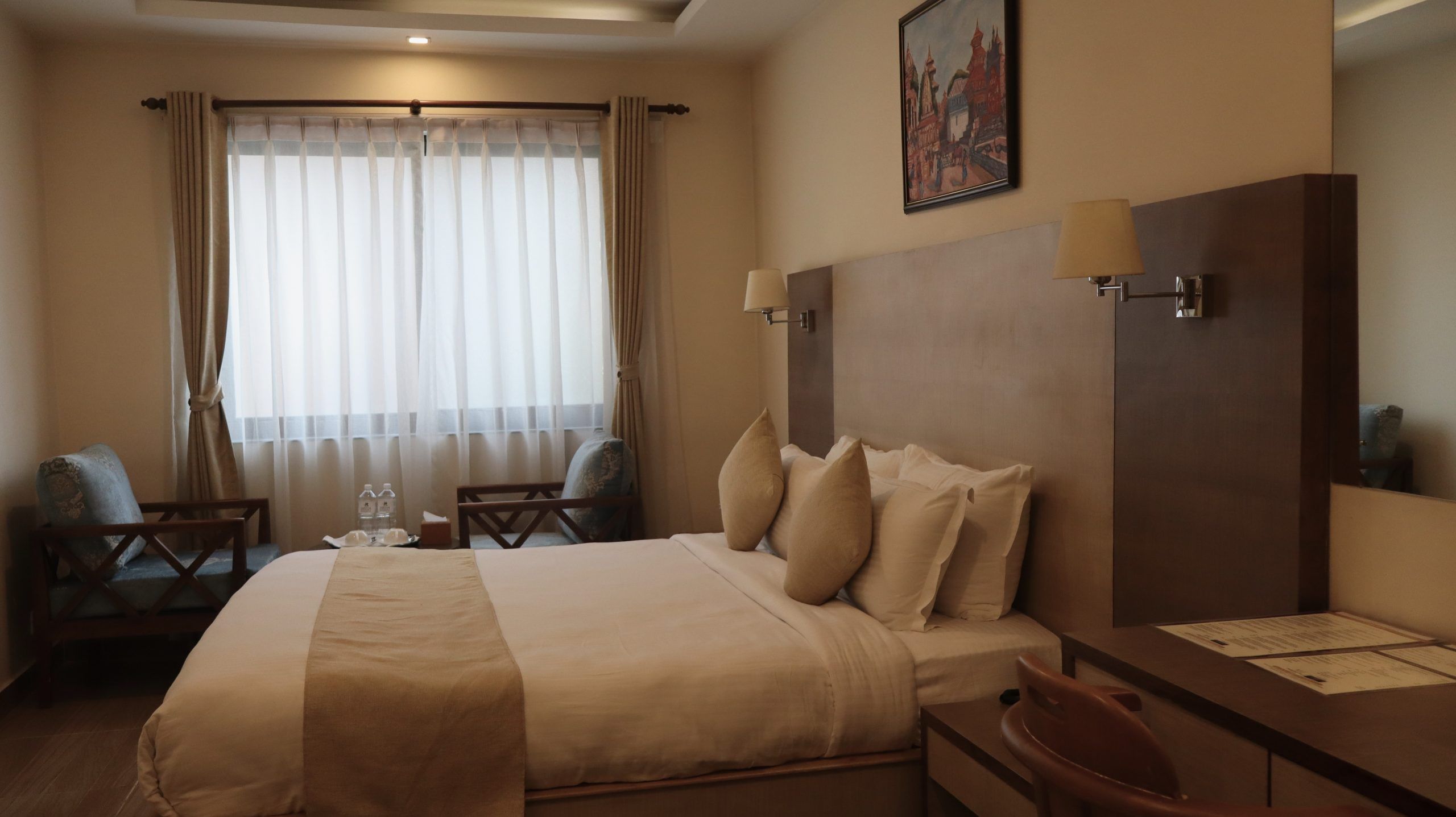
Maintaining your health is effortless when you have the right amenities. Guests at Sarovar Residency Serviced Apartment Hotel enjoy fully equipped private kitchenettes complete with electric kettles, making it easy to boil your own water for tea or coffee. Our team is also always on hand to assist with delivering large, purified water jars directly to your suite, ensuring you stay hydrated and healthy throughout your time in Lalitpur.