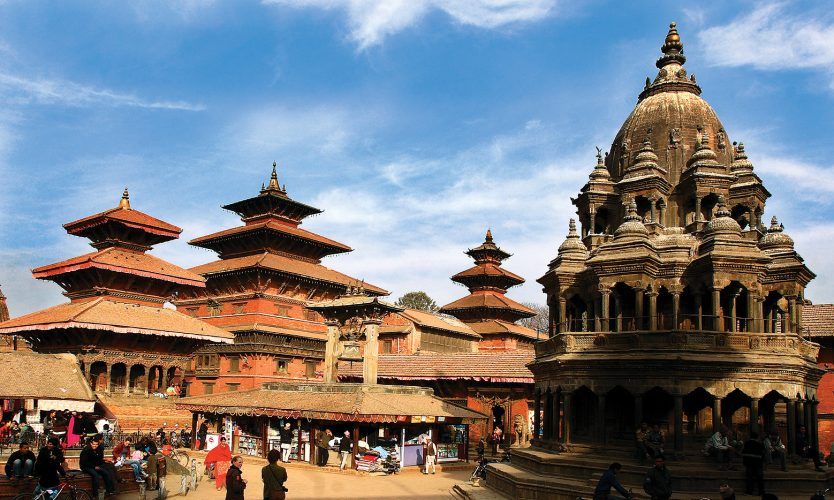
Patan Durbar Square Walking Tour: The Complete Heritage Guide
Embarking on a self-guided Patan Durbar Square walking tour is undeniably one of the most magical cultural experiences you can have while traveling through the Kathmandu Valley. Lalitpur, which beautifully translates to the “City of Beauty,” is universally recognized as the historical heart of Nepal’s traditional arts, exquisite metalwork, and fine stone craftsmanship. The crowning jewel of this ancient city is its central palace square, a breathtaking open-air museum showcasing centuries of spectacular Newari architecture.
For travelers staying nearby around Jawalakhel or Ekantakuna Road, accessing this UNESCO World Heritage site is incredibly straightforward. It is located just a short 2-kilometer journey away—roughly a quick 10-minute taxi ride or a direct, highly scenic walk down local lanes. To help you navigate this sprawling complex of palaces, shrines, and hidden courtyards, we have curated the ultimate step-by-step route for your exploration.
Stop 1: The Masterpieces of The Patan Museum
The perfect place to begin your itinerary is the world-renowned Patan Museum. Housed inside the beautifully restored Keshav Narayan Chowk—a former royal residential courtyard of the Malla kings—this institution is widely considered by international curators to be one of the finest museums in all of Asia. It provides the essential historical context you need before exploring the outdoor temples.
As you wander through the clean, brick-lined exhibition rooms, you will encounter a magnificent collection of sacred Hindu and Buddhist bronze statues, masterfully cast lost-wax sculptures, and historic architectural blueprints. Pro Tip: Allocate at least an hour to fully digest the exhibits, and make sure to stop by the quiet, shaded palace courtyard cafe located at the rear for a refreshing morning tea.
Stop 2: The Architectural Marvel of Krishna Mandir
As you step back out into the vibrant main square, your eyes will instantly be drawn to the commanding stone silhouette of the Krishna Mandir. Erected in 1637 by King Siddhinarsingh Malla, this radical temple completely breaks away from the traditional multi-tiered wooden pagoda style seen elsewhere in Nepal, opting instead for a striking stone Shikhara design heavily influenced by Indian architecture.
The temple is built across three distinct tiers, completely supported by stone pillars. If you look closely at the incredibly detailed stone friezes running along the first and second-floor beams, you will discover graphic, hand-carved narrations depicting epic battles from the ancient Hindu texts, the Mahabharata and the Ramayana. The square directly in front of this temple is constantly alive with local musicians, elders sharing stories, and active worshippers.
Stop 3: The Gilded Glories of The Golden Temple
Next, take a short, fascinating walk just a few minutes north of the main palace complex down a narrow side alleyway to locate the Hiranya Varna Mahavihar, universally known to travelers as the Golden Temple. Established originally in the 12th century, this unique Buddhist monastery is tucked behind an unassuming street entrance that opens up into a dazzling courtyard.
The central three-tiered pagoda features magnificent facades entirely covered in heavily gilded copper and polished brass sheets. Flanked by large bronze guardian lions, active prayer wheels, and intricate metal reliefs, this remains an exceptionally active place of daily worship. Sit quietly along the edges to witness local monks performing ancient purification rituals amidst the scent of burning incense.
Stop 4: The Royal Bath at Sundari Chowk
Head back toward the core royal palace complex to explore the historic inner courtyards, specifically Mul Chowk and Sundari Chowk. Sundari Chowk is world-famous among historians for housing the Tusha Hiti, an extraordinary sunken royal bath designed exclusively for the king’s private ritual washings.
This masterpiece of stone engineering is deeply recessed into the ground and lined with remarkably detailed carvings of 72 distinct Hindu deities. Even the water spout itself is a masterfully sculpted bronze piece depicting protective serpents. The sheer density of artistic detail carved into the stone tiles looks almost identical to delicate woodwork, reflecting the peak of Malla-era royal luxury.
Stop 5: Culinary Traditions at Honacha
No historical excursion is complete without diving into the local culinary heritage. Tucked closely directly behind the massive stone walls of the Krishna Mandir sits Honacha, a legendary local dining institution that has been operating continuously out of the exact same rustic location since the 1930s.
This open-fronted, incredibly atmospheric eatery is the perfect place to sample authentic Newari cuisine. We highly recommend being adventurous and ordering their signature Bara (a savory, pan-fried lentil pancake topped with egg or minced meat) alongside spicy Buff Choila (char-grilled, marinated water buffalo meat packed with ginger and mustard oil), washed down with a traditional local beverage.
Make Lalitpur Your Perfect Basecamp:
Walking through centuries of heritage sites can be physically exhausting. Instead of retreating to a cramped, loud hotel room, return to the unmatched comfort and spaciousness of Sarovar Residency. Located peacefully on Ekantakuna Road near Machhindra Park, our premium serviced apartment hotel allows you to unwind in a private living area, prepare a refreshing drink in your own kitchenette, or enjoy a sunset view from the terrace to perfectly cap off your day of discovery.